

The Spectator
Age-related Macular Degeneration & Low Vision Awareness Month
23 Feb 2026
Eye Health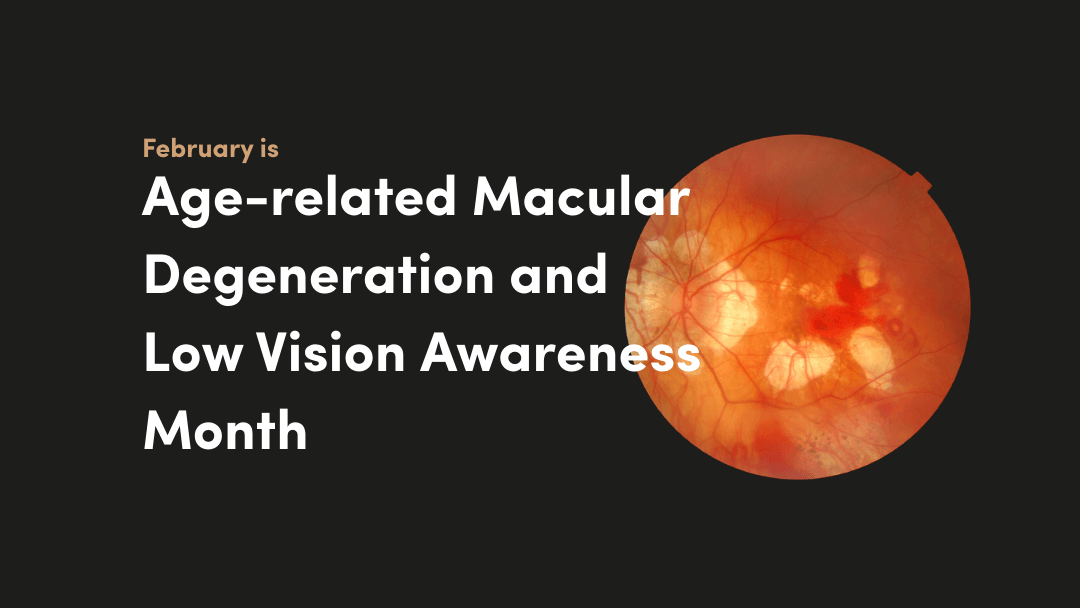
February is Age-related Macular Degeneration & Low Vision Awareness Month, a time to focus on one of the leading causes of vision loss in adults over 50. At The Eye Place, we are dedicated to educating our patients about AMD, its prevention, and how to maintain independence and quality of life even if vision is impaired.
What is Aged Macular Degeneration?
AMD (Age-related Macular Degeneration) is a painless eye condition that affects the small central part of your eye, called the macula. The macula controls your sharp, central vision which you rely on for reading, driving, and recognising faces. In the UK, around 600,000 people are currently living with sight loss caused by AMD, with approximately 200 new diagnoses every day.
There are two distinct types of AMD:
- Dry AMD: This is the most common form of AMD and is caused by a build-up of yellow deposits called drusen under the retina. These deposits can block nutrients, damage macular cells, and lead to slowly worsening blurred central vision.
- Wet AMD: This type is less common but more serious. It occurs when abnormal blood vessels grow under the retina and leak fluid or blood, causing rapid and severe vision loss.
Causes and Risk Factors
The direct cause of AMD is not known. However, there are a number of factors that contribute:
- Aging (over 50)
- Genetics / family history
- Smoking
- Obesity
- Poor diet
- Bad cardiovascular health
- Physical inactivity
- UV and blue light exposure
Symptoms of AMD
Aged macular degeneration often doesn't show symptoms until the disease progresses. The symptoms then become extremely distinct of AMD, including:
- Blurred or distorted area in the centre of your vision.
- Seeing things that aren't there (hallucinations).
- Changes in the way you see colour.
- Lines that are supposed to be straight appear curvy or wavy.
- Blank spots or dark spots in your central field of vision.
If you are experiencing any of these symptoms, visit your opticians asap, early detection could save your vision for the future.
How to Reduce Your Risk
- Regular comprehensive eye exams - early detection is critical.
- Healthy diet - Leafy greens, colourful vegetables, and fatty fish support retinal health.
- Exercise and cardiovascular health - Good circulation benefits the eyes.
- Avoid smoking - one of the most effective ways to protect overall vision
- UV protection - Sun spectacles with 100% UV protection help reduce retinal damage from sunlight.
While AMD damage can’t unusually be reversed, treatment can often slow its progression and help protect your remaining vision.
Dry AMD may be managed with specialised vitamins, healthy lifestyle changes, and regular monitoring.
Wet AMD, though more serious, can often be treated with medications or procedures that help slow or sometimes improve vision loss.
Lumithera Therapy is available at The Eye Place and is the first and only FDA-approved treatment for dry AMD to improve vision. It is non-invasive and targets the disease at a cellular level. Valeda delivers specific wavelengths of light that stimulate key cellular processes involved in dry AMD. This light therapy supports mitochondrial function, helping cells produce more energy, which may improve cell health and slow disease progression.
Early detection makes the biggest difference, the sooner AMD is found, the more options there are to preserve sight.
Supporting Low Vision
AMD can lead to low vision, a term describing vision loss that cannot be corrected fully with glasses, contacts, or surgery. Low vision impacts daily life, but support and adaptive strategies can help. At The Eye Place, we provide comprehensive eye exams which allows our optometrists to detect signs of AMD and track changes in vision over time. We can also provide low vision aids such as magnifiers, electronic devices, and adaptive technology, as well as ongoing support and care or referrals for low vision patients.
Why Awareness Matters
February’s combined observance emphasises that early detection, prevention, and support are key. If you notice changes in central vision, such as blurriness, distortion, or difficulty recognising faces, schedule an appointment at The Eye Place. Timely intervention can preserve vision and improve quality of life.
Take action today! Protect your vision, attend regular eye examinations, and explore low vision resources. Your sight is invaluable, and with proper care and support, you can maintain independence and clarity for years to come. Book your comprehensive eye exam today!